
Tranexamic Acid and Vitamin C for Melasma
Melasma is a common form of pigmentation that can be stubborn, frustrating, and difficult to treat. It often appears as patchy brown or grey-brown areas on the face and is more common in women, especially those with medium to deeper skin tones. One of the biggest challenges with melasma is that it can keep coming back, especially when skin is exposed to heat, sunlight, and visible light.
A small pilot study published in the Journal of Clinical and Aesthetic Dermatology looked at whether a topical combination of 2% tranexamic acid and 2% vitamin C could help improve treatment-resistant melasma. These were patients whose melasma had already been difficult to treat, so the study focused on a group that often needs more support.
What did the study look at?
The study included 10 women aged 18 to 55 with resistant melasma. They used a topical product containing 2% tranexamic acid and 2% vitamin C every evening for 8 weeks. The researchers measured progress using melasma severity scores, quality of life scores, and doctor assessment.
What were the results?
The results were encouraging. Melasma severity improved noticeably over the 8-week period. The MASI score, which is used to measure melasma severity, dropped from 12.76 at the start to 7.00 after 4 weeks, and then to 3.39 after 8 weeks. Quality of life scores also improved, suggesting that the treatment may have helped patients feel better about their skin as well.
Importantly, no significant side effects were reported in the study. That makes this combination especially interesting, because many pigmentation treatments can be irritating or difficult for sensitive skin to tolerate.
Why are tranexamic acid and vitamin C helpful?
Tranexamic acid is best known as a medicine used to reduce bleeding, but in skincare and dermatology it has gained attention for its ability to help reduce pigmentation. It appears to work by interfering with pathways involved in UV-triggered melanin production and may also help reduce the vascular and inflammatory triggers that can make melasma worse.
Vitamin C is a well-known antioxidant that helps protect the skin from environmental stress and can also support a brighter, more even-looking complexion. When paired with tranexamic acid, it may offer extra support for dullness, uneven tone, and post-inflammatory pigmentation.
What does the wider research say?
This study is promising, but it is still a small pilot study, so it should be seen as part of a bigger picture rather than a final answer. Broader reviews of melasma treatments suggest that topical tranexamic acid is a useful option, especially for people who cannot tolerate stronger treatments or who need support alongside other therapies.
Current evidence suggests that topical tranexamic acid can perform comparably to hydroquinone in some studies, while often being better tolerated. Reviews also suggest that tranexamic acid may work well as part of combination treatment, including with professional procedures or other pigment-correcting ingredients.
Vitamin C is also used in melasma care, mainly because of its antioxidant and brightening properties, although the evidence for vitamin C alone is not as strong as it is for some other pigment ingredients. That said, combining it with tranexamic acid may make sense in practice because melasma is influenced by multiple factors including pigment production, inflammation, and sun exposure.
Important things to remember about melasma
Melasma is not usually improved by one product alone. It tends to need a long-term, consistent approach. Daily broad-spectrum SPF is essential, and ideally this should also help protect against visible light, not just UV. This is especially important because visible light can also worsen pigmentation in some people.
It is also worth knowing that while tranexamic acid is exciting, the strongest evidence in melasma still supports tried-and-tested options such as sunscreen, hydroquinone-based combinations, and azelaic acid. Tranexamic acid is best thought of as a helpful addition or alternative in the right client, rather than a guaranteed replacement for everything else.
Examples of products containing tranexamic acid
Examples often used in homecare include:
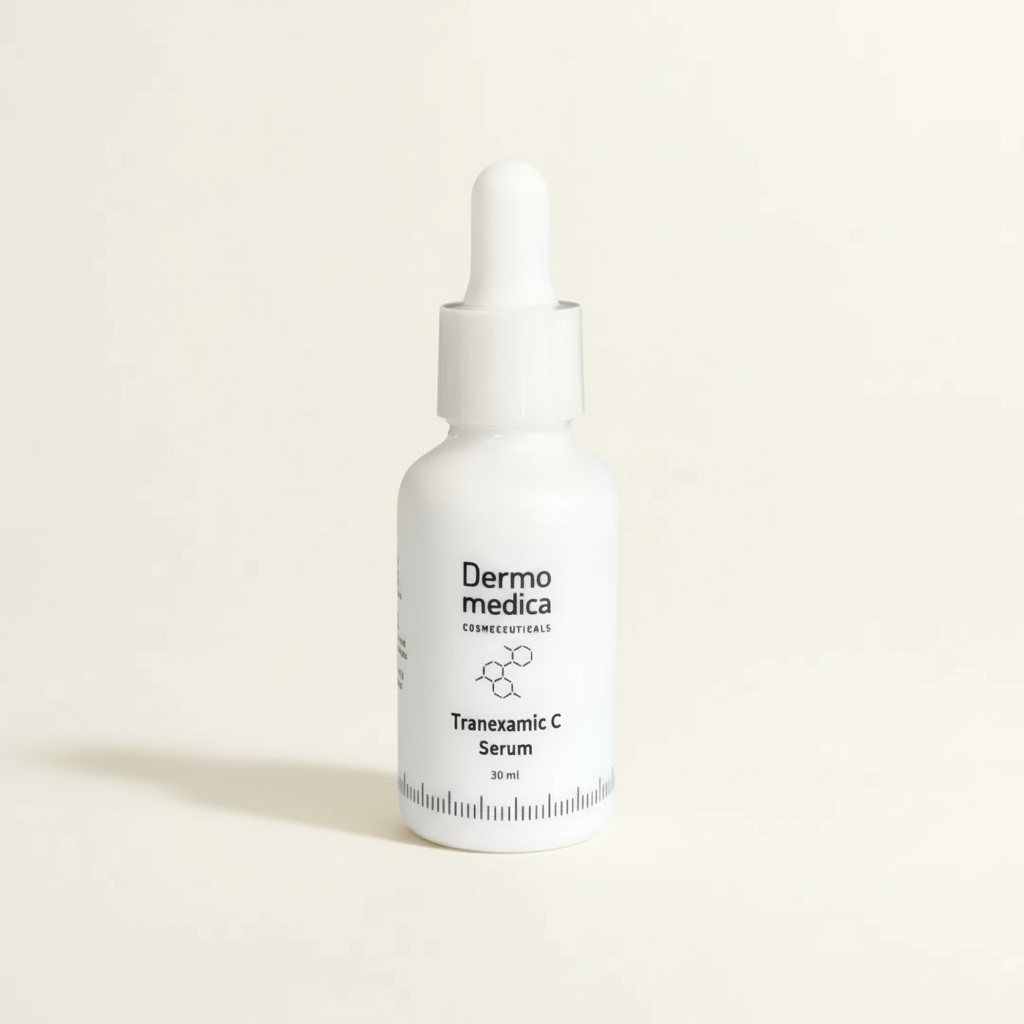
Dermomedica Tranexamic Serum
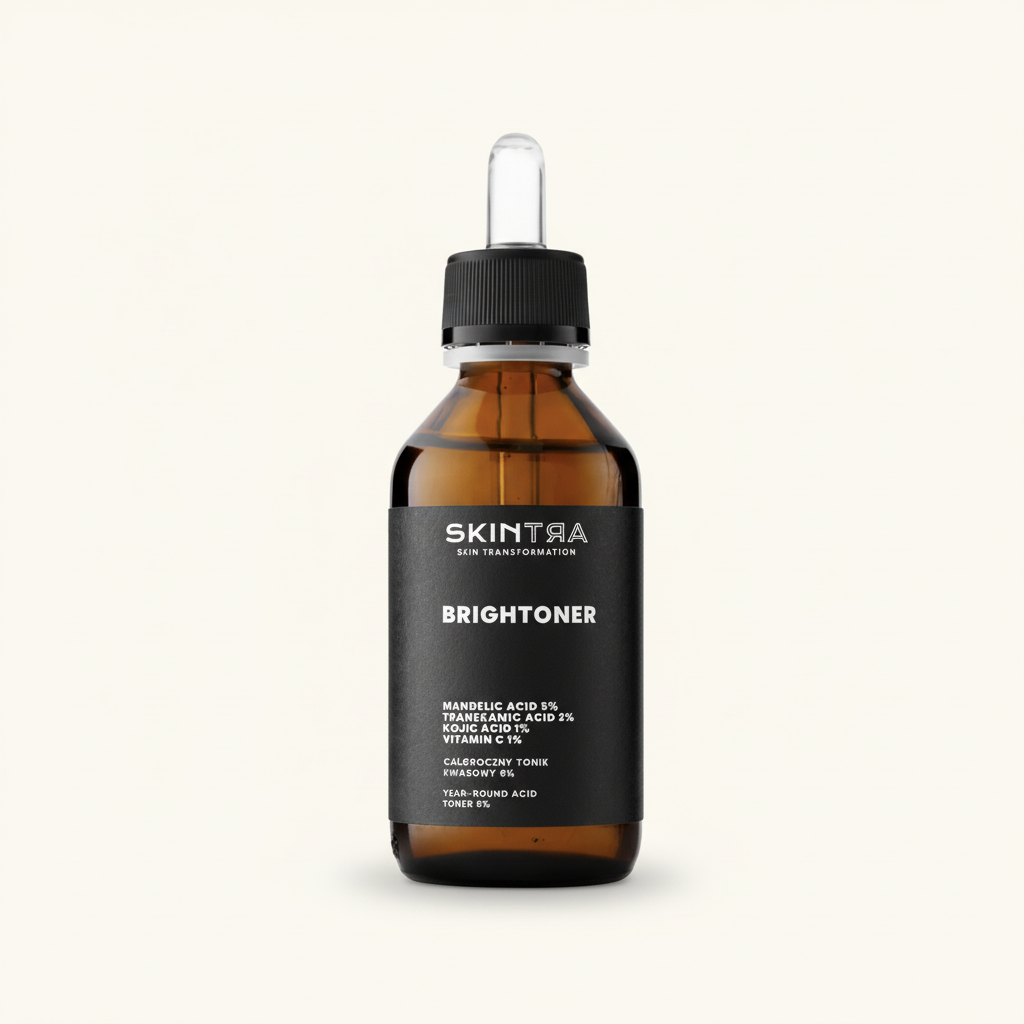
SkinTra Brightoner
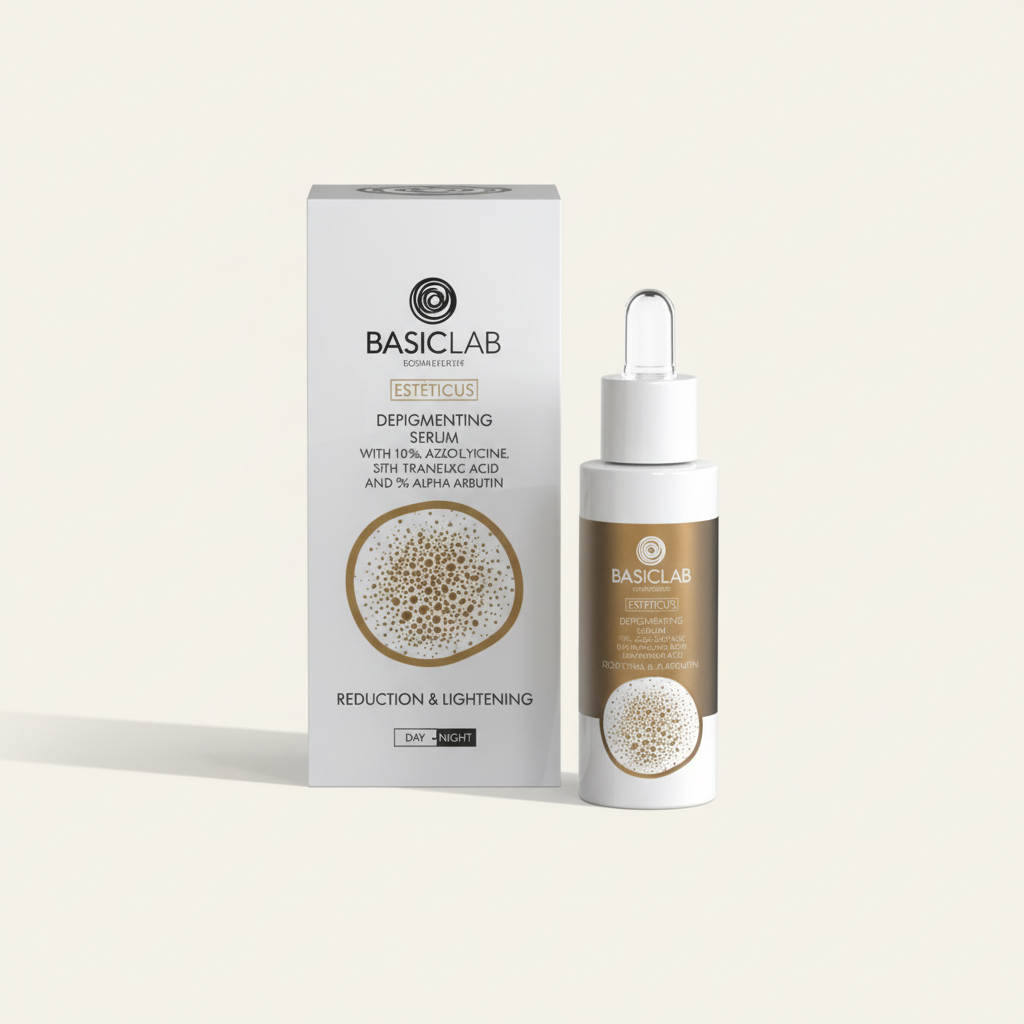
BasicLab Serum Reducing Discoloration
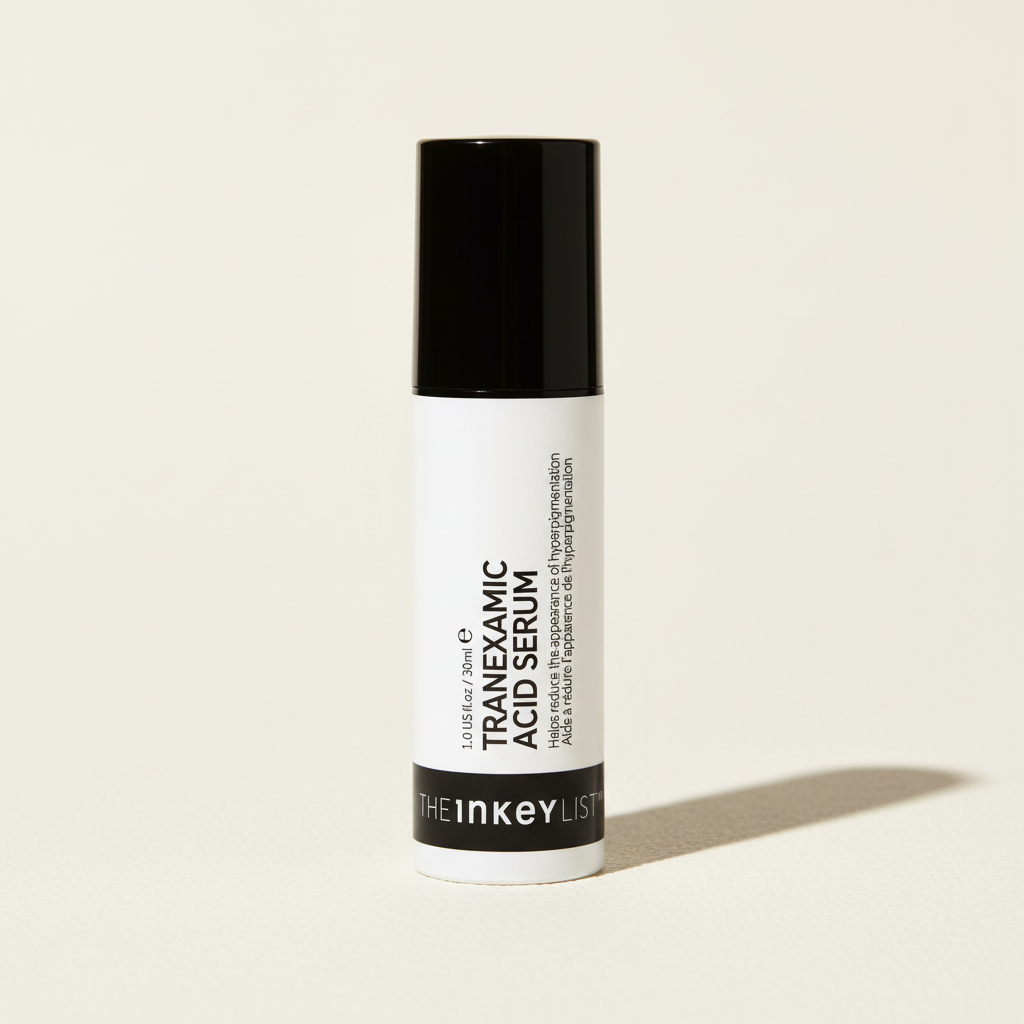
The Inkey List Tranexamic Acid Serum
Final thoughts
If you struggle with melasma or stubborn pigmentation, tranexamic acid and vitamin C may be worth considering as part of your routine. The research so far is encouraging, especially for people dealing with more resistant pigmentation, but consistency, sun protection, and the right overall treatment plan still matter most.
If you are not sure where to start with pigmentation, feel free to message me for guidance.
References
J Clin Aesthet Dermatol. 2023;16(7):63–65. Combination Topical Tranexamic Acid and Vitamin C for the Treatment of Refractory Melasma.
Sarkar R, Handog EB, Das A, et al. Topical and Systemic Therapies in Melasma: A Systematic Review. Indian Dermatol Online J. 2023;14:769–789.